Organizing a multigenerational private yacht charter requires balancing highly divergent operational, safety, and comfort requirements. While a 50-meter motor yacht offers the space and stabilization necessary for elderly relatives, it must also provide the shallow-draft access and water-toy inventory demanded by younger family members. Successful execution of a three-generation charter depends on selecting the appropriate hull configuration, understanding the strict financial structure of yacht contracts, and matching the crew profile to your family's specific dynamics.
Selecting the Vessel Platform and Hull Configuration
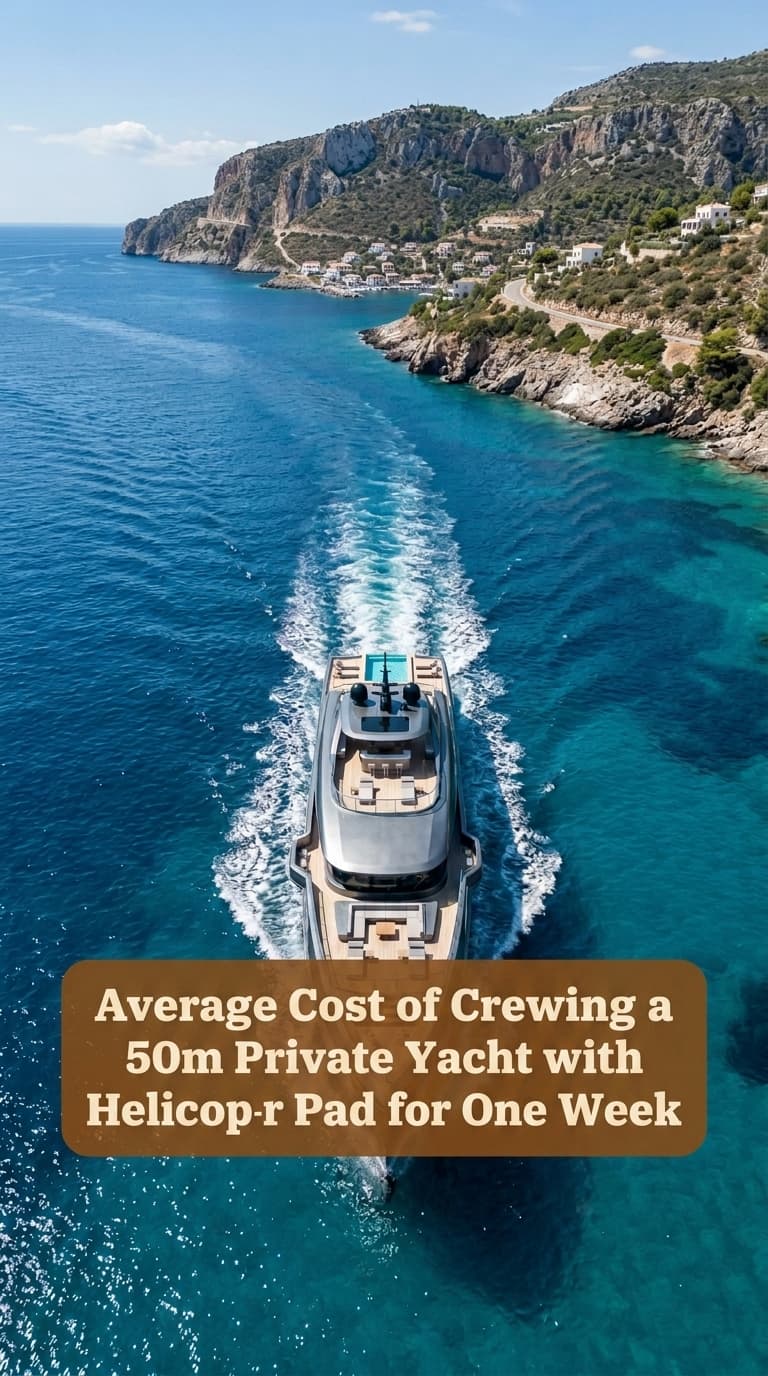
For family groups spanning ages 5 to 80, hull architecture dictates the entire onboard experience. Motor Yachts in the 40 to 60-meter range (such as those built by Benetti, Amels, or Sanlorenzo) offer multiple deck levels, allowing distinct zones for privacy. When multi-generational mobility is a priority, prioritize vessels equipped with zero-speed stabilizers to eliminate roll at anchor, and seek layouts featuring a master suite on the main deck to spare grandparents from navigating steep spiral companionways.
Alternatively, luxury catamarans in the 30 to 45-meter range (such as Sunreef custom builds) provide exceptional beam-to-length ratios. This translates to expansive single-level living spaces and shallow drafts, allowing the vessel to anchor closer to shore and pristine beaches. For smaller families seeking a entry-level, flexible platform, comparing bareboat and crewed options on user-friendly brokerage platforms is highly practical.
Navigating Charter Contracts, VAT, and Real Costs
Superyacht charters are generally governed by MYBA (Mediterranean Yacht Brokers Association) terms. Under these WMT (Western Mediterranean Terms), the base charter rate, ranging from €50,000 to €200,000+ per week depending on the vessel's pedigree and age, covers only the hire of the yacht, the crew, and the owner's insurance.
All additional operating expenses are billed to the Advance Provisioning Allowance (APA), which typically adds 30% to 40% to the base charter fee. The APA covers fuel (for main engines, generators, and tenders), food and beverages customized to your family's preferences, dockage fees, and local cruising permits. Also local Value Added Tax (VAT) varies significantly by destination (ranging from 10% to 22% in European waters) and must be calculated on top of the base rate.
Crew Qualifications and Safety Regulations
For multigenerational groups, the crew-to-guest ratio should ideally approach 1:1. When chartering with young children, inquire about crew certifications; some yachts employ deckhands or stewardesses who hold professional childcare, swimming instruction, or pediatric first-aid qualifications.
Safety is governed by strict flag-state regulations and the MCA (Maritime and Coastguard Agency) code. Under these rules, commercial charter yachts are generally limited to a maximum of 12 passengers. If your extended family exceeds this number, you must source a larger vessel certified under the Passenger Yacht Code (PYC), which dramatically restricts your vessel choices and increases base costs. Ensure the vessel's safety brief includes custom-fitted life jackets for toddlers and clear protocols for water sports under RYA-certified instructors.
Frequently Asked Questions
What is the maximum number of guests allowed on a standard commercial charter yacht?
Under strict flag-state regulations and the MCA code, commercial charter yachts are generally limited to a maximum of 12 passengers. If your extended family exceeds this limit, you must source a larger vessel certified under the Passenger Yacht Code (PYC). Opting for a PYC vessel will dramatically restrict your choices and increase your base costs.
What additional costs should I expect beyond the base yacht charter fee?
Beyond the base fee, you must budget for the Advance Provisioning Allowance (APA) and local Value Added Tax (VAT). The APA typically adds 30% to 40% to the base fee to cover costs like fuel, food, customized beverages, dockage fees, and cruising permits. Local VAT in European waters will add an additional 10% to 22% calculated on top of the base rate.
How do I choose the right type of yacht hull for a multigenerational family trip?
Motor yachts in the 40 to 60-meter range are excellent for mobility issues if they feature zero-speed stabilizers to prevent rolling and a main-deck master suite to avoid steep stairs. Alternatively, luxury catamarans in the 30 to 45-meter range offer single-level living and shallow drafts for anchoring closer to the shore. For smaller family groups, platforms like SamBoat allow you to compare user-friendly bareboat and crewed options.
What qualifications should I look for in a yacht crew when traveling with young children?
You should aim for a crew-to-guest ratio close to 1:1 and ask if any crew members hold professional childcare, pediatric first-aid, or swimming instruction qualifications. It is also important to ensure the yacht's safety setup includes custom-fitted life jackets for toddlers and that water sports are led by RYA-certified instructors.
What does the base charter rate actually cover under MYBA terms?
Under standard MYBA terms, the base charter rate only covers the hire of the yacht itself, the crew, and the owner's insurance. All other operating expenses, including fuel, food, beverages, and dockage, are billed separately to your Advance Provisioning Allowance (APA). Taxes are also calculated separately on top of this base rate.
Related Reading
- Four Seasons Yacht Charter vs Private Superyacht: Which Luxury Sea Experience Should You Book?
- Yacht Charter vs Private Jet: Which Is More Affordable for a Mediterranean Summer
- Corporate Yacht Charter Event Planning Guide: A Step-by-Step Approach
- Yacht Charter Planning: Logistical Intelligence for First-Time Charterers
Pros
- Highly customized itineraries tailored to both elderly and young guests.
- Access to secluded bays and shallow-draft areas inaccessible to cruise ships.
- Private environment allowing secure, uninterrupted family bonding.
Cons
- Substantial hidden costs including APA (30-40%) and variable local VAT.
- Strict 12-passenger limit on standard MCA-compliant commercial yachts.
Technical Verdict
Executing a successful multigenerational charter requires matching a stabilized, accessible vessel with a highly qualified crew. Ensure all contracts use standard MYBA terms, budget for an additional 40% above the base rate for APA and taxes, and secure your vessel early to guarantee child-friendly safety setups.
→ Compare Family Yacht Quotes